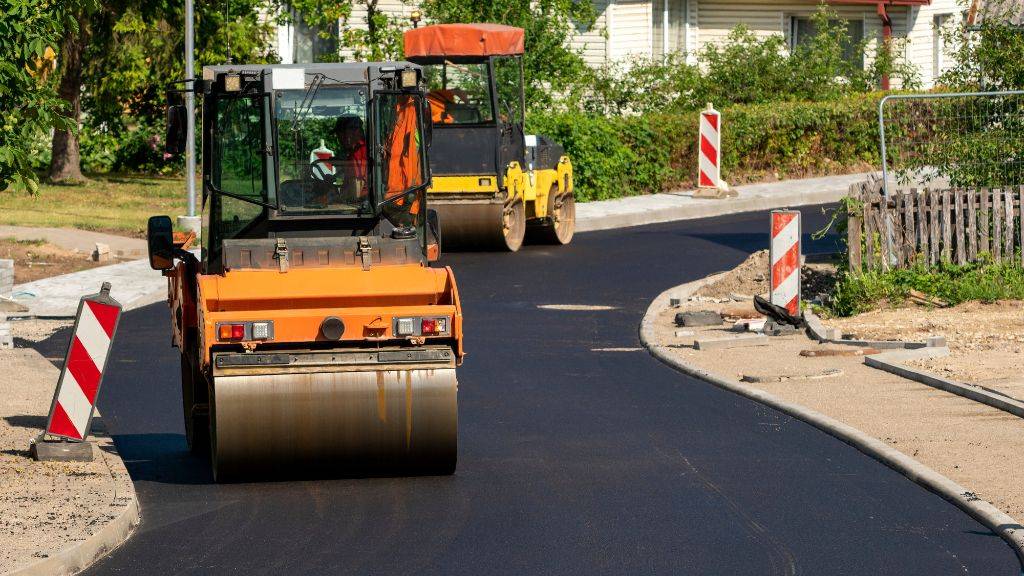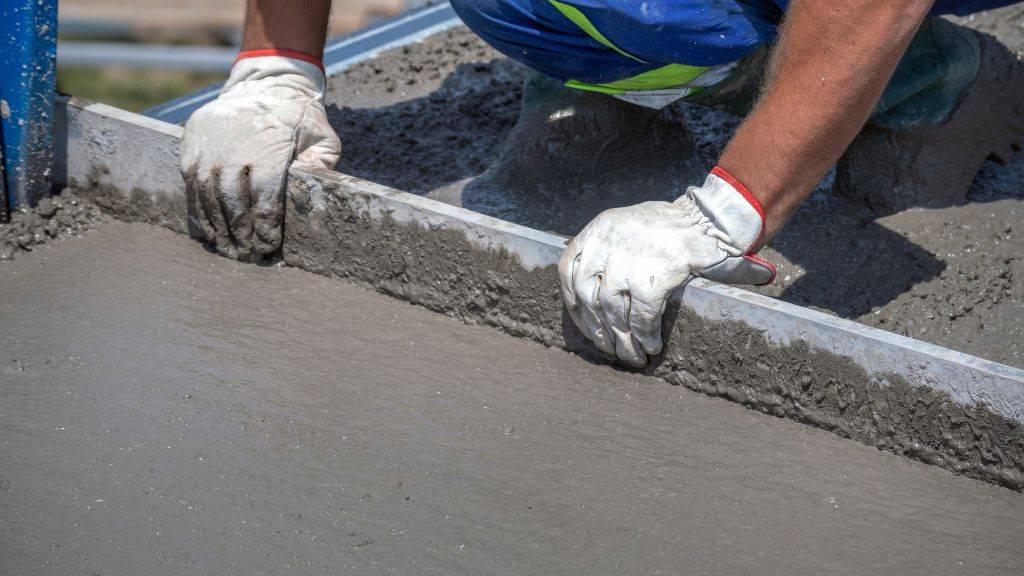
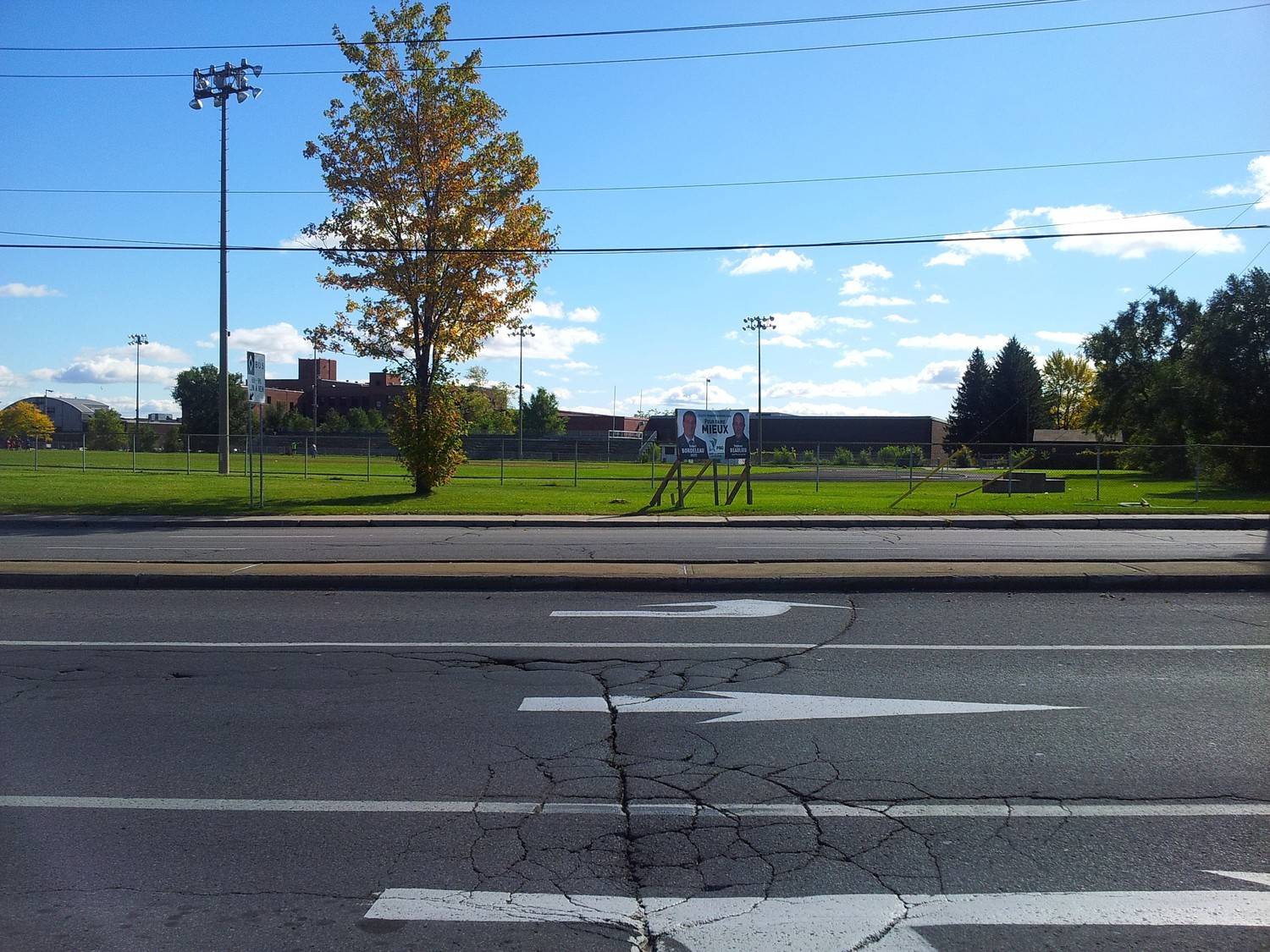
By the middle of August, the parking lots and drive lanes at schools and universities across New England have already been through a full year of abuse. Snowplows scraped the surface all winter. Salt worked its way into every hairline crack. Buses idled in the same drop-off spots morning after morning, and summer heat pushed whatever damage was hiding underneath right up to the surface.
Then the calendar turns, and suddenly there is a hard deadline. Buses need a smooth loop. Parents need a safe place to pull in and out. Staff and faculty need parking that is not full of standing water or broken pavement. None of that can wait for a better time of year, because the first day of school is not moving.
For facility managers, campus operations teams, and property managers overseeing school and university grounds, back-to-school week is really the finish line for a maintenance window that opened the day the last bus left in June.
In this article:
- The Tight Window Between Summer Break and Opening Day
- Why Campus Parking Lots and Drive Lanes Take the Hardest Hits
- Bus Loops, Drop-Off Zones, and Pedestrian Paths: The High-Stakes Areas
- What Winter Damage Looks Like Once It Resurfaces in Summer
- Patch Now or Repave Later? How to Triage Campus Pavement Issues
- The Insider Mistake: Cosmetic Fixes Before Structural Ones
- Scheduling Repairs Around Academic Calendars Without Disrupting Operations
- A Practical Example: A Mid-Size Campus Getting Ready for Fall
- Signs Your Campus Pavement Needs Attention Before the First Bell
- What to Look for in an Asphalt Repair Contractor for Schools and Universities
- Frequently Asked Questions About Back-to-School Asphalt Repairs
The Tight Window Between Summer Break and Opening Day
Every school and university property has the same problem every year. The only stretch of time when the lots are empty enough to work on safely is also the shortest stretch of time on the calendar.
Summer break gives facility teams a window, but that window is shared by roofing projects, HVAC work, classroom renovations, and every other deferred maintenance item that piled up during the school year. Asphalt repairs often get pushed to the last few weeks before move-in, which is exactly when contractors are booked solid and curing time becomes tight.
The properties that come through opening day looking sharp are almost always the ones that had their pavement inspected early in the summer, not the ones that called a paving contractor in the final week of August.
Why Campus Parking Lots and Drive Lanes Take the Hardest Hits
Campus pavement does not fail the way a quiet office parking lot fails. It takes a different kind of punishment.
Bus loops carry repeated, concentrated weight over the same tire path every single day. Faculty and visitor lots see a spike of traffic at the exact same hours, morning and afternoon, which concentrates wear in predictable ruts. Loading docks at dining halls and maintenance buildings deal with delivery trucks on a near-daily schedule. Add a New England winter of plowing, salt, and freeze-thaw cycling on top of that, and the surface takes more abuse than almost any other commercial property type.
That combination is why school and university lots often show damage patterns that look different from a typical retail or office property, including deeper alligator cracking in bus lanes and pooling near curb lines where water has nowhere to go.
Bus Loops, Drop-Off Zones, and Pedestrian Paths: The High-Stakes Areas
Not every square foot of a campus parking lot carries the same risk if it is left in poor condition. Some areas simply matter more.
- Bus loops, where a pothole or settled section can affect the ride and the schedule for an entire route
- Drop-off and pickup zones, where parents, students, and staff are all moving through the same tight space
- Crosswalks and pedestrian paths connecting parking areas to entrances
- Loading docks and service areas behind dining halls, gyms, and maintenance buildings
- ADA accessible routes and accessible parking areas, which need to stay clear and level
- Fire lanes, which need to remain fully visible and unobstructed for emergency access
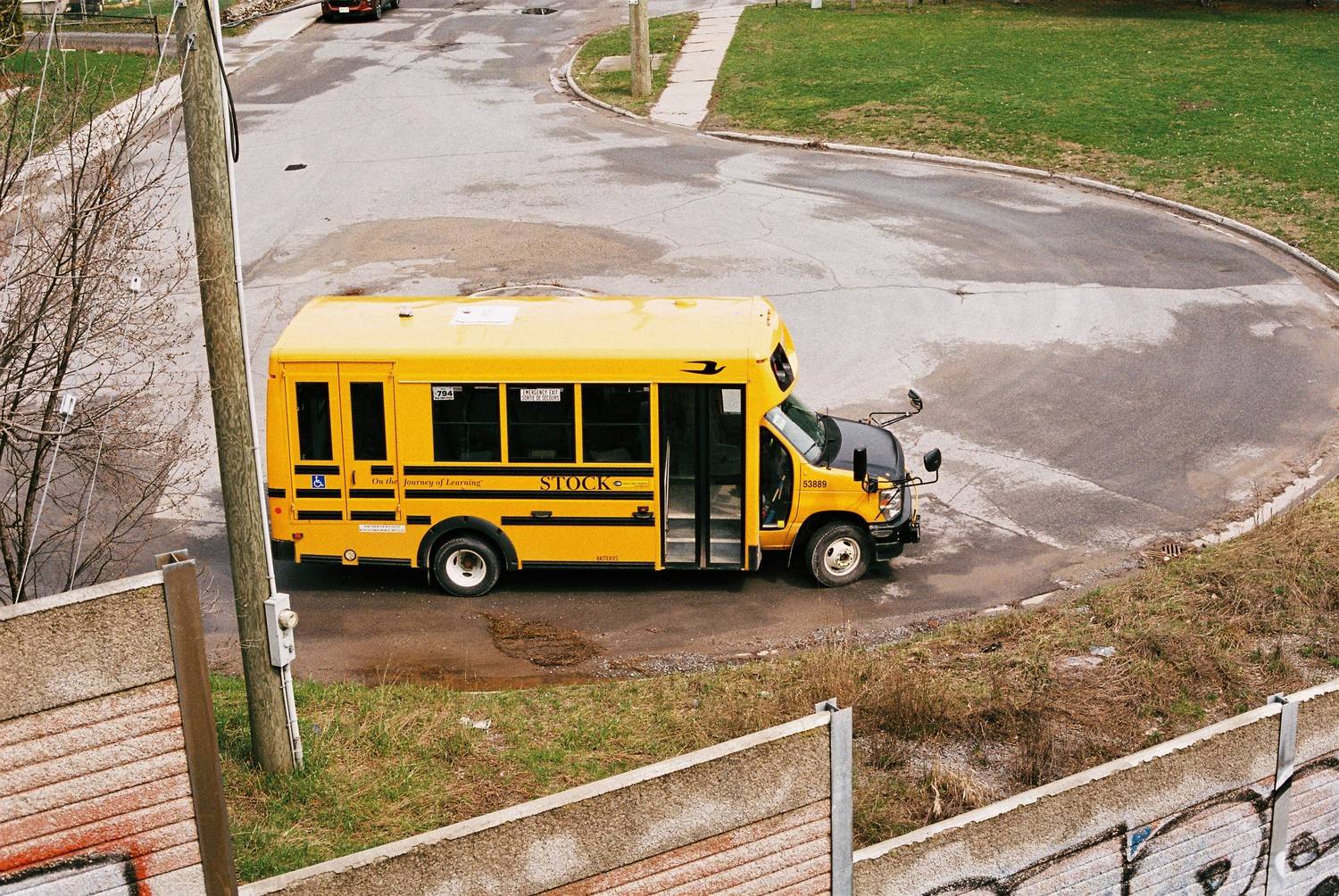
These are the areas where a facility team should start any pre-fall inspection, because they carry both the highest liability exposure and the highest visibility to parents and students on day one.
What Winter Damage Looks Like Once It Resurfaces in Summer
A lot of the damage that shows up in August was actually caused back in January and February. It just was not visible until now.
Here is the mechanism. Water gets into small cracks in the pavement during fall rain. When temperatures drop, that water freezes and expands, working the crack wider from the inside. As the freeze-thaw cycle repeats through the winter, the crack network grows underneath the surface long before it is visible from above. By spring, sections of pavement that looked fine in October may already have a compromised base underneath them. Then a hot summer softens the asphalt just enough for that underlying weakness to show up as a pothole, a sunken patch, or a section that flexes under weight.
This is why a campus lot that looked acceptable at the end of the school year can suddenly show real problems by the time students come back. The damage was not new. It was just working its way to the surface the entire time.
Patch Now or Repave Later? How to Triage Campus Pavement Issues
Not every problem area needs the same fix, and treating everything the same way is one of the fastest ways to burn through a maintenance budget before winter even arrives.
A useful way to triage campus pavement before school starts:
- Walk the property and map every crack, pothole, and low spot, not just the ones that are obvious from a car.
- Separate surface-level cracking from areas where the pavement flexes or feels soft underfoot, since that flex usually points to base failure rather than a cosmetic issue.
- Prioritize bus loops, drop-off zones, and accessible routes first, since those carry the most daily traffic and the most liability.
- Address drainage problems before patching anything nearby, since a patch placed next to standing water tends to fail again quickly.
- Reserve full-depth repairs for areas with base failure, and reserve patching or crack filling for areas where the surface is otherwise sound.
Asphalt Services approaches this the same way for every school and university property, starting with a site walkthrough and a clear picture of what needs full-depth asphalt repair versus what can be addressed with targeted patching or crack filling before the surface gets any worse.
The Insider Mistake: Cosmetic Fixes Before Structural Ones
Here is a pattern that shows up more often than most facility teams expect. A campus budgets for a fresh coat of sealcoating and new striping right before opening day because it makes the lot look clean for parents and visitors, while the actual structural problem underneath, a section of base failure near the bus loop or a drainage issue by the loading dock, gets pushed to next year because it is less visible.
The lot looks great for photos on the first day of school. Then that same soft spot reopens by November, usually worse than before, because sealcoating and striping were applied over a problem instead of a repaired surface.
The more effective order is almost always the opposite of what looks best for opening day. Structural repairs and drainage fixes should happen first, even if the finished look is less polished, because a sound base is what protects the investment in sealcoating, striping, and curb appeal that comes afterward. A property that looks slightly less finished on day one but has a solid base underneath will hold up through the entire school year far better than one that looks perfect in September and starts failing again by winter.
Scheduling Repairs Around Academic Calendars Without Disrupting Operations
Schools and universities cannot simply close for a few days to let asphalt repairs happen on their own schedule. Summer camps, orientation events, athletic programs, and facilities staff are all still using parts of the campus even when classes are not in session.
A workable repair schedule usually accounts for:
- Summer camp and program schedules that still bring vehicles and pedestrians onto campus
- Athletic facility use, including practices and summer camps tied to fields near parking areas
- Move-in weekends at universities, which often bring the heaviest single-day traffic of the year
- Delivery and vendor schedules that cannot be paused for maintenance
- Curing time needed before an area can safely reopen to vehicle or pedestrian traffic
- Coordination with other summer projects happening on the same property at the same time
An experienced paving contractor plans phased work so that at least part of a lot or drive lane stays usable throughout the project, rather than closing an entire property at once. That kind of sequencing is often the difference between a smooth summer maintenance window and a scramble in the final week before students return.
A Practical Example: A Mid-Size Campus Getting Ready for Fall
Picture a mid-size private school with a bus loop, a faculty lot, a visitor lot near the main entrance, and a loading area behind the dining hall.
By July, the facility manager notices alligator cracking along the inside edge of the bus loop, a low spot near a storm drain that holds water after every rain, several potholes forming in the faculty lot, and faded crosswalk markings near the main entrance.
A practical pre-fall plan for a property like this might include:
- Full-depth asphalt repair in the section of the bus loop showing base failure
- Drainage correction at the low spot near the storm drain before any nearby patching is done
- Pothole repair and crack filling throughout the faculty lot
- Fresh crosswalk and fire lane markings near the main entrance
- Sealcoating applied last, once the structural work is complete and cured
Sequencing the work this way means the sealcoating and markings go over a surface that is actually sound, instead of covering up problems that will resurface once colder weather returns.
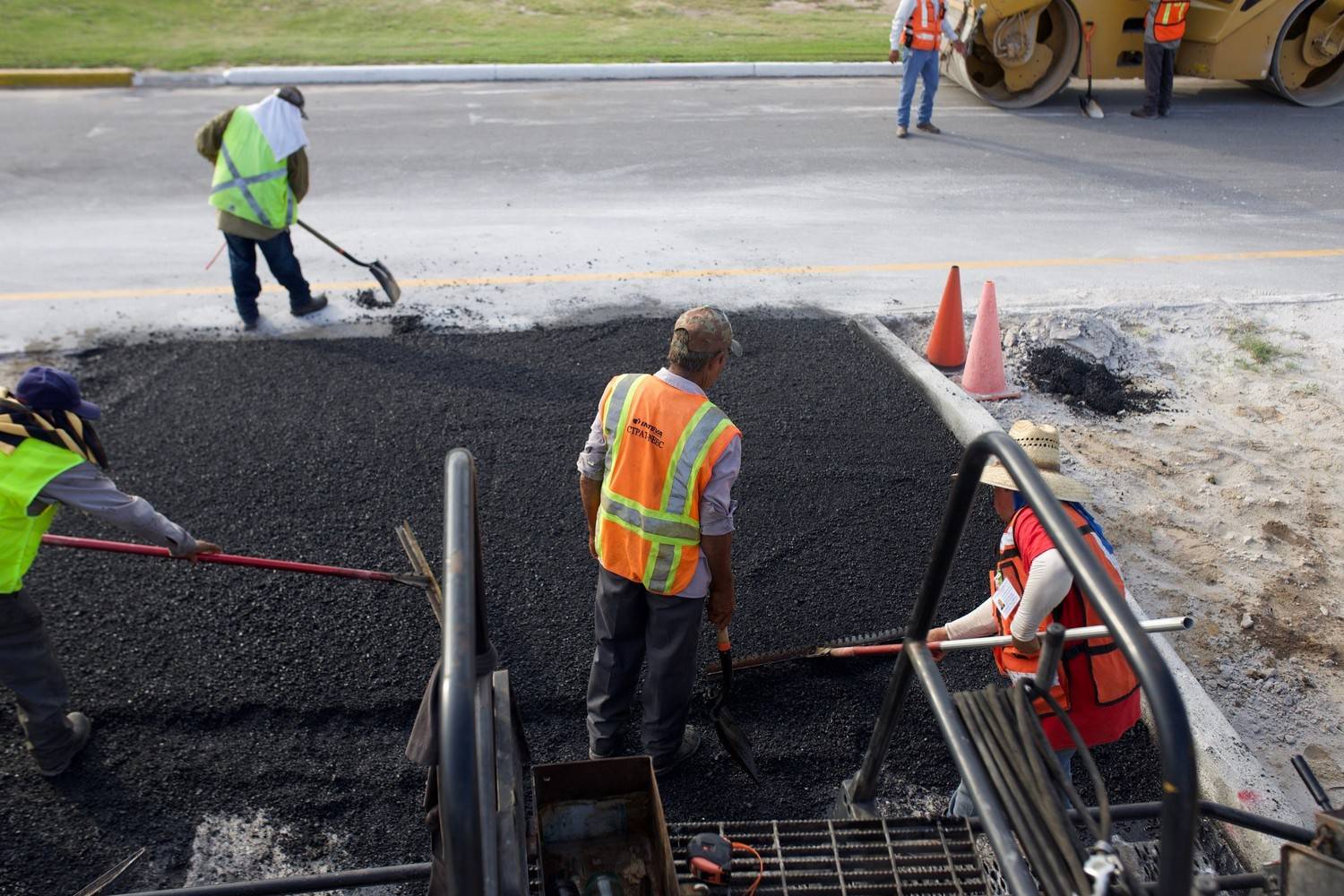
Signs Your Campus Pavement Needs Attention Before the First Bell
Facility teams walking a property in late summer should watch for a specific set of warning signs rather than waiting for something to become an obvious hazard.
- Alligator cracking, which usually signals a weakened base rather than a simple surface issue
- Potholes or areas where the pavement has visibly settled
- Standing water that lingers well after the rest of the lot has dried
- Cracks wide enough to catch a shoe or a cane
- Faded or missing crosswalk, fire lane, or accessible parking markings
- Uneven transitions between pavement and curb lines near entrances
- Soft or spongy pavement in bus loops or loading areas
Any of these on their own may not be urgent. Several of them together, especially in a bus loop or drop-off zone, usually mean it is time to bring in a contractor for a full evaluation rather than a spot fix.
What to Look for in an Asphalt Repair Contractor for Schools and Universities
School and university properties are not the same as a standard retail parking lot, and the contractor handling the work should understand that difference.
Facility managers should look for a paving partner that can show:
- Direct experience with school, university, and other institutional properties
- An understanding of how bus loops, drop-off zones, and pedestrian paths differ from standard commercial traffic
- The ability to identify base failure versus surface-level cracking before recommending a fix
- A full-service capability that covers asphalt repairs, drainage, concrete work, sealcoating, and striping under one roof, so the work does not require coordinating multiple vendors
- A realistic project schedule that accounts for the academic calendar rather than a generic timeline
- A track record with well-known regional properties that can speak to reliability and communication
Asphalt Services has worked with commercial and institutional properties across New England since 2003, operating as a family-owned company out of Woburn, MA, with an additional regional office in Salem, NH. The team handles asphalt repairs, sealcoating, crack filling, striping, concrete work, site work, and drainage for schools, universities, and other managed properties, which lets facility teams plan an entire summer maintenance window with a single point of contact instead of juggling separate contractors for every service.
Key Takeaway: Start the Inspection Before the Calendar Runs Out
The properties that look their best on the first day of school are rarely the ones scrambling to book a paving crew in the final week of August. They are the ones that walked the property in June or July, separated cosmetic issues from structural ones, and scheduled repairs in the right order before curing time became a problem.
If your school, university, or managed property has bus loops, drop-off zones, faculty lots, or loading areas showing signs of wear, the time to schedule an evaluation is now, not after the buses are already running.
Asphalt Services offers site evaluations for schools, universities, and managed commercial properties across New England, with a clear plan for what needs full-depth repair, what can be patched or crack filled, and how the work can be sequenced around your academic calendar. Contact Asphalt Services today to get ahead of the first bell instead of chasing problems after it rings.
Frequently Asked Questions About Back-to-School Asphalt Repairs
Why is late summer the best time to repair school parking lots?
Campuses are typically empty enough to allow safe access for equipment and curing during summer break, and repairs completed before opening day avoid disrupting bus routes, drop-off zones, and daily campus operations once classes resume.
How do I know if a campus pothole needs full-depth repair instead of a patch?
If the surrounding pavement feels soft or flexes underfoot, or if the same spot keeps reopening after previous patches, that usually points to base failure underneath, which needs full-depth repair rather than a surface patch.
Should sealcoating happen before or after asphalt repairs on a school property?
Structural repairs and drainage corrections should always happen first. Sealcoating applied over an unrepaired base tends to cover the problem temporarily rather than solve it, and the issue often resurfaces once colder weather returns.
Can asphalt repairs be scheduled without closing an entire school property?
In most cases, yes. Phased scheduling allows part of a lot or drive lane to remain usable while another section is repaired, which is particularly important for properties running summer camps or orientation events.
What areas of a school or university lot are most important to repair first?
Bus loops, drop-off and pickup zones, accessible parking routes, and fire lanes carry the highest daily traffic and liability exposure, and should be prioritized ahead of lower-traffic areas like overflow parking.
Why does pavement damage often appear worse in summer than it did in spring?
Freeze-thaw cycling over the winter widens cracks and weakens the base beneath the surface. Warmer summer temperatures soften the asphalt just enough for that underlying damage to show up as potholes or soft spots.