Summer is one of the busiest seasons for commercial properties across New England. Retail centers see steady customer traffic. Industrial facilities handle daily truck movement. Office parks, apartment communities, warehouses, schools, hotels, and managed properties all depend on parking lots, access roads, loading areas, sidewalks, curbs, and drive lanes that stay safe and usable.
But summer also puts asphalt under pressure.
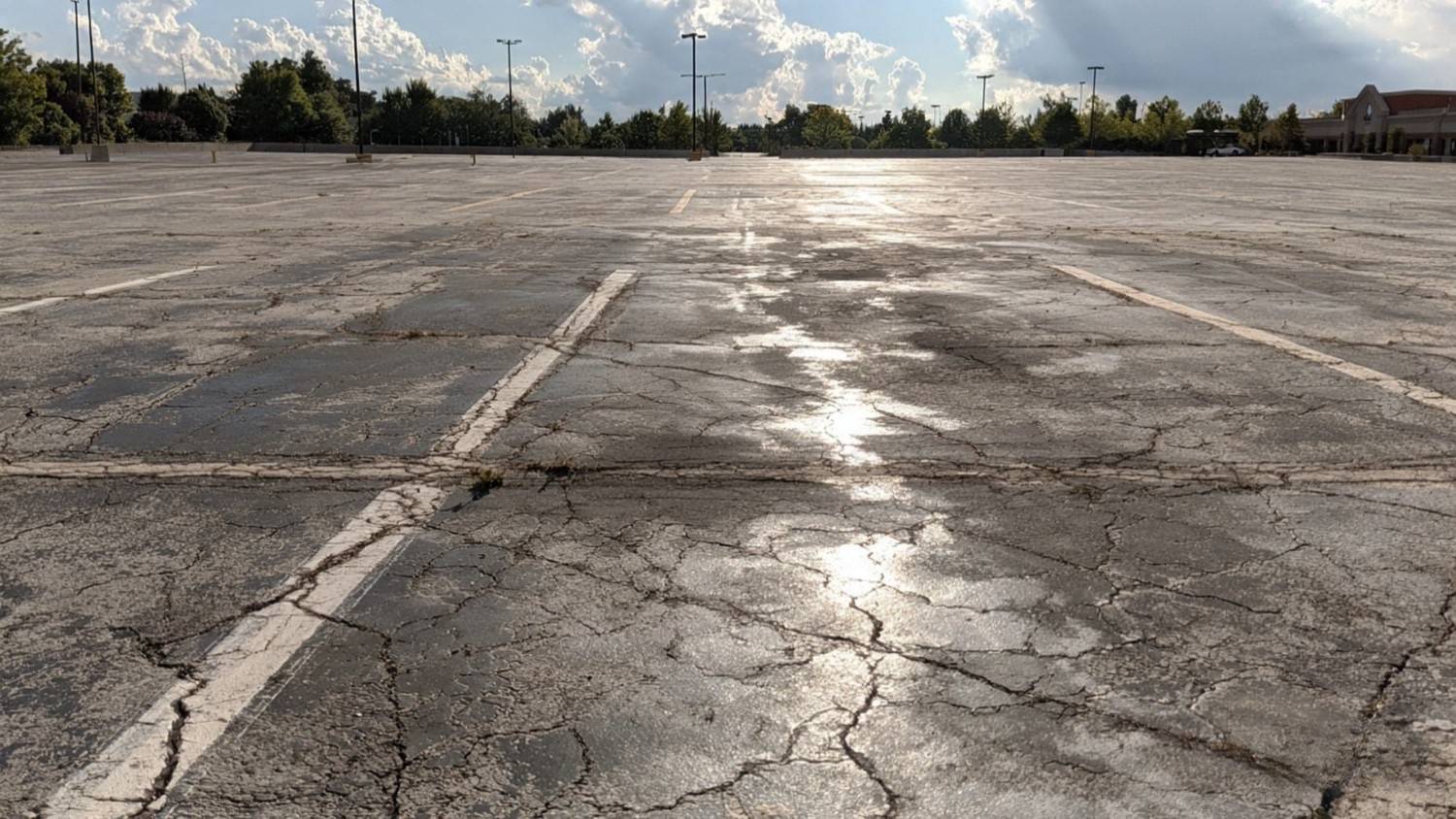
Heat, heavy traffic, water damage, poor drainage, and existing pavement weaknesses can all work together to break down commercial parking lots. What looked like a small crack in spring can become a pothole by late summer. A weak area near a loading zone can turn into a failed pavement section. Faded markings can make a busy lot harder to navigate. Drainage problems can soften the pavement structure and lead to repeat repairs.
For property managers, facility managers, asset managers, business owners, general contractors, and developers, summer asphalt repair is not something to ignore. It is one of the most practical ways to protect your property, reduce safety concerns, and avoid larger paving costs later.
Asphalt Services provides asphalt repairs, parking lot paving, road and roadway paving, asphalt milling, industrial paving, sealcoating, crack filling, striping and pavement markings, concrete work, site work and drainage, sports courts, snow plowing and ice control, and commercial snow removal for commercial and industrial properties across New England.
If your lot is showing signs of summer damage, now is the time to understand what is happening and what to do next.
Why New England Summers Are Hard on Commercial Asphalt
New England pavement deals with more than summer heat. By the time temperatures rise, commercial lots have already been through winter snow, ice, salt, plowing, freeze-thaw cycles, spring rain, and heavy seasonal moisture.
That means summer often exposes damage that started months earlier.
A crack that opened during winter may allow water into the pavement structure. A pothole that formed after spring rain may grow under repeated vehicle traffic. A low area that held water in April may become soft and unstable during hot weather. Heavy vehicles can then push weak pavement further out of shape.
Summer does not always create the original problem. It often makes existing pavement issues easier to see.
That is why commercial asphalt repairs should begin with a full look at the site, not just the visible damage. A good repair plan considers traffic use, drainage, pavement age, base stability, crack patterns, loading areas, and how the property functions every day.
How Heat Affects Commercial Parking Lots
Asphalt is designed to perform through seasonal temperature changes, but heat can still affect how pavement behaves.
During hot weather, asphalt can become more flexible. On a quiet residential driveway, that may not create major concern. On a commercial or industrial property, the situation is different. Parking lots and drive lanes often carry:
- Delivery trucks
- Service vehicles
- Employee traffic
- Customer traffic
- Waste collection trucks
- Trailers
- Equipment
- Emergency vehicles
- Frequent stop-and-go movement
When pavement is already cracked, thin, poorly drained, or weakened by age, summer heat and vehicle weight can accelerate damage.
Common heat-related asphalt issues include rutting in drive lanes, soft spots in high-use areas, surface deformation near loading zones, wider cracks, loose aggregate, and pavement failure around existing potholes.
For commercial properties, these problems can affect more than appearance. They can create rough movement, reduce parking lot safety, disrupt traffic flow, and make the property harder to manage.
Heavy Traffic Makes Weak Pavement Fail Faster
Heavy traffic is one of the biggest reasons commercial lots break down in summer. The more vehicles use a property, the more stress the asphalt receives.
Retail plazas may see constant vehicle turnover throughout the day. Industrial sites may have trucks entering and exiting loading areas. Office parks may see concentrated morning and afternoon traffic. Apartment communities may have delivery vehicles, moving trucks, and resident traffic. Managed properties may have a mix of customers, tenants, vendors, and maintenance vehicles.
The most vulnerable areas are usually:
- Entrances and exits
- Drive lanes
- Loading zones
- Dumpster areas
- Turning areas
- Fire lanes
- Areas near catch basins
- Edges of parking lots
- Sections where vehicles stop, turn, or brake often
When these areas begin to crack or sink, asphalt repairs should be addressed quickly. A small failed section can spread into surrounding pavement if the underlying issue is not reviewed.
Potholes Are Usually a Sign of a Deeper Issue
A pothole may look like a surface problem, but it often points to something happening beneath the pavement.
Potholes can form when water enters cracks, weakens the base, and allows the asphalt surface to break apart under traffic. In New England, freeze-thaw cycles often start this process. During summer, vehicle movement can make it worse.
On commercial properties, potholes can affect:
- Vehicle movement
- Pedestrian safety
- Parking lot appearance
- Snow removal later in the year
- Drainage
- Tenant and customer experience
Asphalt patching can help repair damaged areas, but repeated potholes in the same location may mean the lot has drainage problems, base failure, or ongoing traffic stress. In that case, the repair plan may need to include site work and drainage, asphalt milling, or a larger parking lot repair strategy.
Cracks Let Water Into the Pavement Structure
Cracks are one of the first warning signs property managers should watch for. Even narrow cracks can allow water to enter the pavement. Once water gets below the surface, it can weaken the base, create soft areas, and lead to larger failures.
During summer, cracks can expand from heat, traffic, and movement in the pavement structure. If they are ignored, they can lead to potholes, broken pavement, and expensive repair needs before winter even arrives.
Crack filling is an important part of parking lot maintenance because it helps reduce water intrusion. It is especially useful when cracks are active but the pavement is still in serviceable condition.
However, crack filling is not a solution for failed pavement. If cracks are widespread, deep, connected, or surrounded by broken asphalt, the property may need asphalt repairs, milling, resurfacing, or parking lot paving.
The key is knowing the difference.
Poor Drainage Speeds Up Asphalt Damage
Drainage is one of the most important factors in pavement performance. A parking lot can have quality asphalt, but if water sits on the surface or moves into the base, damage can happen faster.
Signs of drainage problems include:
- Standing water after rain
- Low spots in the lot
- Water collecting near curbs
- Soft pavement near catch basins
- Ice-prone areas in winter
- Repeated potholes in the same location
- Cracks following water flow patterns
- Erosion near pavement edges
In summer, drainage problems are easier to spot after heavy rain. Facility managers should pay attention to areas where water remains long after the rest of the pavement is dry.
If drainage is the real cause, patching alone may not hold up. The property may need site work and drainage improvements before asphalt repairs or parking lot paving are completed. Addressing water flow first helps protect the repair and reduce repeat damage.
Loading Areas and Industrial Lots Need Extra Attention
Industrial paving and commercial lot repair require a different level of planning because these areas often carry heavier loads.
Warehouses, distribution areas, manufacturing sites, loading docks, service yards, and industrial facilities have traffic patterns that can break down weak pavement quickly. Truck turning areas, loading zones, dumpster pads, and access lanes often show damage before the rest of the property.
Common issues include:
- Rutting from heavy vehicles
- Cracking near loading areas
- Failed asphalt near dock entrances
- Broken pavement where trucks turn
- Drainage issues around service lanes
- Edge failure near concrete or curbs
- Surface wear from repeated stopping and braking
For these sites, asphalt repairs should be based on how the property operates. A repair that works for a light-use parking lot may not be enough for a heavy-use industrial area.
Asphalt Services supports industrial paving, asphalt repairs, asphalt milling, concrete work, site work and drainage, and pavement markings for commercial and industrial properties. That full-site approach helps property teams make decisions based on traffic, safety, access, and long-term performance.
When Asphalt Repairs Are the Right Choice
Asphalt repairs are often the right choice when damage is limited to specific areas and the rest of the pavement is still usable.
Repair work may be appropriate for:
- Potholes
- Failed asphalt sections
- Broken edges
- Localized cracking
- Low spots
- Surface damage near catch basins
- Damaged drive lanes
- Areas affected by drainage problems
- Small sections of high-traffic wear
The goal of asphalt repair is to correct damaged areas before they spread. This can improve safety, restore access, and help property managers plan future maintenance more effectively.
For commercial properties, timely repairs can also reduce disruption. Fixing a problem area now may be easier than planning a larger repaving project during a busier season.
When Repairs Are Not Enough
Repairs are not always the best long-term solution. If the pavement has widespread deterioration, repeated failures, poor drainage, or structural problems, a larger approach may be needed.
A property may need asphalt milling, resurfacing, or parking lot paving when:
- Cracks cover large areas of the lot
- Potholes keep returning after patching
- Water collects across the surface
- The pavement is uneven throughout the lot
- The base appears unstable
- Drive lanes are heavily rutted
- Surface wear is widespread
- The lot no longer supports safe traffic flow
In these cases, repairs may only provide temporary improvement. A full site review can help determine whether the right next step is patching, milling, resurfacing, or repaving.
A credible commercial paving company should explain the options clearly so property owners can make an informed decision.
Why Summer Repairs Help Before Fall and Winter
Summer asphalt repairs are not just about fixing current damage. They also help prepare the property for the next season.
In New England, fall and winter can make pavement problems worse. Cracks allow water in. Water freezes and expands. Potholes grow. Snow plows can catch uneven pavement. Ice forms in low spots. Poor drainage becomes a bigger safety concern.
By addressing damage during summer, property managers can reduce the risk of larger winter problems.
Summer is also a practical time to coordinate related services. A property may need asphalt repairs first, then sealcoating, then striping and pavement markings. If drainage is part of the issue, site work may need to happen before the surface is repaired. If concrete edges or curbs are contributing to pavement damage, concrete work may need to be included in the plan.
This is why summer parking lot maintenance should be proactive, not reactive.
The Role of Sealcoating and Crack Filling After Repairs
Asphalt sealcoating and crack filling are important pavement maintenance services, but they need to be used correctly.
Crack filling helps seal active cracks to reduce water intrusion. Sealcoating helps protect the asphalt surface from weather, traffic wear, and oxidation while refreshing the appearance of the lot. Together, they can support long-term parking lot maintenance.
However, sealcoating should not be applied over failed pavement and expected to solve deeper problems. Potholes, broken areas, drainage issues, and unstable sections should be repaired first.
The right sequence often looks like this:
- Inspect the lot.
- Identify drainage and base concerns.
- Complete asphalt repairs.
- Fill cracks where appropriate.
- Apply sealcoating if the surface is suitable.
- Refresh striping and pavement markings.
This approach helps create a cleaner, safer, and more durable result.
Striping and Pavement Markings Matter After Asphalt Repairs
Once asphalt repairs or sealcoating are complete, striping and pavement markings help bring order back to the lot.
Clear markings improve:
- Parking organization
- Traffic flow
- Pedestrian visibility
- Accessible parking visibility
- Fire lane identification
- Loading zone layout
- Crosswalk safety
- Overall appearance
For busy commercial properties, faded or confusing markings can create unnecessary problems. Drivers may park incorrectly. Pedestrians may be less visible. Loading zones may not be clear. Traffic flow may feel disorganized.
If summer repairs affect parking stalls, drive lanes, crossings, or accessible spaces, updated markings should be part of the plan.
What Facility Managers Should Inspect in Summer
Facility managers and property managers should inspect commercial lots during warm weather when damage is easier to see.
Key areas to review include:
Entrances and exits
These areas often receive heavy traffic and turning movement. Look for rutting, cracks, low spots, and broken pavement.
Loading zones
Watch for pavement deformation, potholes, drainage problems, and damaged transitions between asphalt and concrete.
Catch basin areas
Water collection points are common failure areas. Look for cracks, settling, ponding, and broken pavement nearby.
Drive lanes
Drive lanes carry constant movement. Look for repeated wear, surface breakdown, and rutting.
Parking stalls
Inspect for cracks, faded striping, low areas, and surface wear.
Sidewalk and curb transitions
Concrete and asphalt should connect cleanly. Uneven transitions can create access and drainage concerns.
Edges of the lot
Broken edges may point to weak support, drainage problems, or vehicle overrun.
A documented inspection helps property teams prioritize repairs based on safety, access, and long-term cost.
Trust Factors to Look for in an Asphalt Repair Team
Commercial asphalt repair requires more than equipment. It requires practical evaluation, clear communication, and experience with active properties.
Property managers should look for a team that understands:
- Commercial and industrial traffic patterns
- Drainage and grading issues
- Parking lot maintenance planning
- Asphalt repair methods
- Milling and paving options
- Concrete and curb connections
- Striping and traffic flow
- Scheduling around tenants and operations
Asphalt Services is a family-owned company based in Woburn, MA, established in 2003, serving commercial and industrial properties across New England. The team works with property managers, facility managers, asset managers, building owners, general contractors, and developers.
Clients have described the team as prompt, professional, responsive, efficient, and careful about cleanup. Those details matter because commercial paving and repair work affects more than the pavement. It affects access, tenants, customers, employees, vendors, and daily operations.
A Practical Example: Summer Repair Planning for a Commercial Lot
Consider a commercial property with a busy front parking lot, two loading areas, and faded markings.
After winter and spring, the property manager notices potholes near the main entrance, cracks across several drive lanes, standing water near a catch basin, and broken pavement near the loading area. The striping is also faded, making the lot feel disorganized.
A short-term patch may help one pothole, but it will not solve the full issue.
A stronger plan may include:
- Asphalt repairs at failed sections
- Drainage review near the catch basin
- Asphalt milling in the loading area
- Crack filling in serviceable sections
- Sealcoating where the surface is still suitable
- New striping and pavement markings after repairs
This approach addresses the actual property conditions instead of treating each symptom separately.
That is how commercial asphalt maintenance should work.
How to Prepare for Asphalt Repairs
Before scheduling asphalt repairs, property teams should gather useful information.
Ask:
- Where is the damage located?
- How long has it been there?
- Does water collect in that area?
- Does the damage return after previous repairs?
- What type of traffic uses the area?
- Will the repair affect tenants, customers, or deliveries?
- Are there related concrete, curb, or drainage concerns?
- Will striping need to be updated afterward?
This information helps the repair team recommend a better plan and helps property managers coordinate the work with less disruption.
Protect Your Commercial Lot Before Summer Damage Gets Worse
Heat and heavy traffic can turn small asphalt issues into larger commercial property problems. Potholes, cracks, soft areas, drainage concerns, and worn drive lanes should be inspected and repaired before they affect safety, access, and long-term pavement performance.
Asphalt Services helps commercial and industrial properties across New England with asphalt repairs, parking lot paving, asphalt milling, industrial paving, asphalt sealcoating, crack filling, striping and pavement markings, concrete work, site work and drainage, and winter property support.
If your parking lot is showing signs of summer damage, do not wait for the problem to spread.
Schedule a no-obligation site inspection with Asphalt Services and get practical recommendations based on your property’s condition, traffic demands, drainage, safety needs, and long-term goals.
Protect your lot, reduce disruption, and keep your commercial property safer and easier to use through summer and beyond.
Frequently Asked Questions About Summer Asphalt Repairs
Why do commercial parking lots break down in summer?
Commercial parking lots can break down in summer because heat, heavy traffic, existing cracks, poor drainage, and weakened base areas all place stress on the pavement. Damage that started in winter or spring often becomes more visible during hot weather.
What are the most common summer asphalt problems?
Common summer asphalt problems include potholes, cracks, rutting, soft spots, surface wear, failed patches, standing water, broken pavement edges, and faded pavement markings.
When should a commercial property schedule asphalt repairs?
A commercial property should schedule asphalt repairs when potholes, cracks, failed sections, drainage issues, or uneven pavement begin affecting safety, access, traffic flow, or appearance.
Can asphalt repairs prevent full parking lot replacement?
In some cases, yes. Timely asphalt repairs can stop localized damage from spreading and help extend pavement usability. If damage is widespread or structural, milling, resurfacing, or parking lot paving may be needed.
Is sealcoating enough to fix damaged asphalt?
No. Sealcoating protects asphalt that is still in serviceable condition, but it does not fix potholes, failed pavement, unstable base areas, or major drainage problems. Repairs should be completed first.
Why does the same pothole keep coming back?
A recurring pothole may be caused by water intrusion, base failure, poor drainage, heavy traffic, or an incomplete repair. The surrounding site conditions should be reviewed before repairing it again.
Does heavy truck traffic affect asphalt faster?
Yes. Heavy truck traffic, turning movement, loading areas, and repeated stop-and-go use can place more stress on asphalt, especially when pavement is already cracked, thin, or poorly drained.
Why is drainage important for asphalt repairs?
Drainage is important because water weakens pavement and base materials. If drainage issues are not corrected, repaired areas may fail again.
Should striping be updated after asphalt repairs?
Striping should be updated if repairs, sealcoating, or paving affect parking stalls, drive lanes, crosswalks, accessible spaces, fire lanes, or traffic flow.
Who should handle commercial asphalt repairs?
Commercial asphalt repairs should be handled by a team with experience in active commercial and industrial properties, parking lot repair, drainage, paving, pavement maintenance, and traffic flow planning.