By late summer, property managers who have been thinking about adding or rebuilding a basketball, tennis, or pickleball court are running out of time, even if the weather still feels like there is plenty of it left.
Court construction depends on a stable base, a properly graded subgrade, and enough curing time before winter temperatures move in. In New England, that window closes faster than most people expect. A project that starts in September has a real chance of finishing before frost. A project that starts in November is usually looking at a spring completion instead, with equipment and materials sitting idle on site through the coldest months.
For condominium associations, apartment communities, hospitality properties, schools, and universities considering a new court or a resurfacing project, fall is not just a good time to plan. It is close to the last practical window before winter makes the work impossible.
In this article:
- Why Fall Is the Last Real Window for Court Construction in New England
- Asphalt or Concrete: What Actually Goes Under a Court
- The Pickleball Surge and Why So Many Communities Are Retrofitting Courts
- Multi-Use Courts: What Changes When One Surface Serves Three Sports
- Drainage and Grading Problems That Ruin a Court Before It Is Finished
- Resurfacing an Existing Court vs Building New
- Fencing, Lighting, and Amenity Details That Affect Long-Term Use
- The Insider Mistake: Rushing Base Prep to Beat Winter
- A Practical Example: An Apartment Community Adding a Pickleball Court
- Signs Your Existing Court Needs Attention Before Investing in New Construction
- What to Look for in a Sports Court Contractor
Why Fall Is the Last Real Window for Court Construction in New England
Sports court construction is not like painting a wall or replacing a fence. It depends on a compacted base, correct grading for drainage, and a surface that has enough time to cure properly before freezing temperatures arrive.
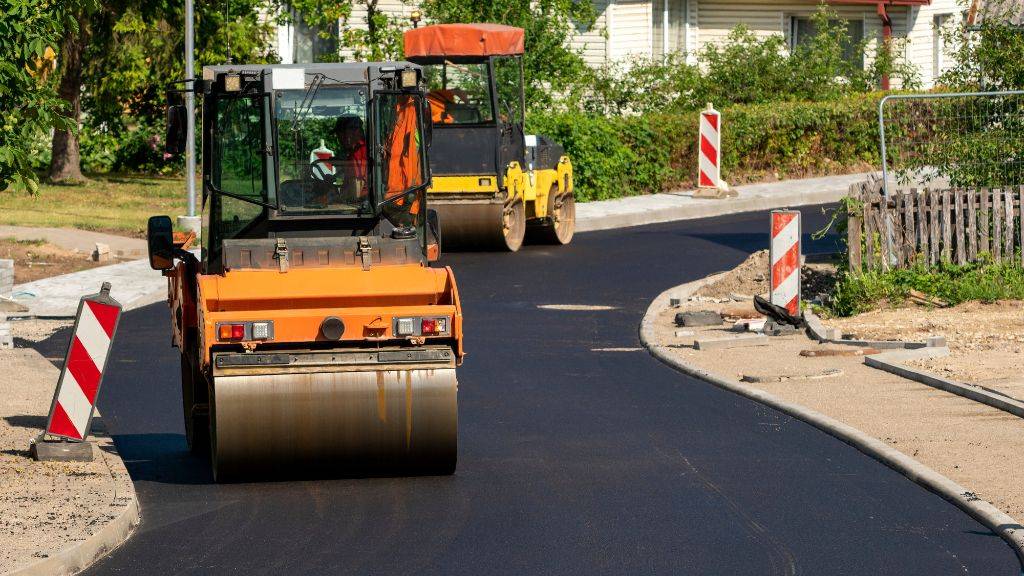
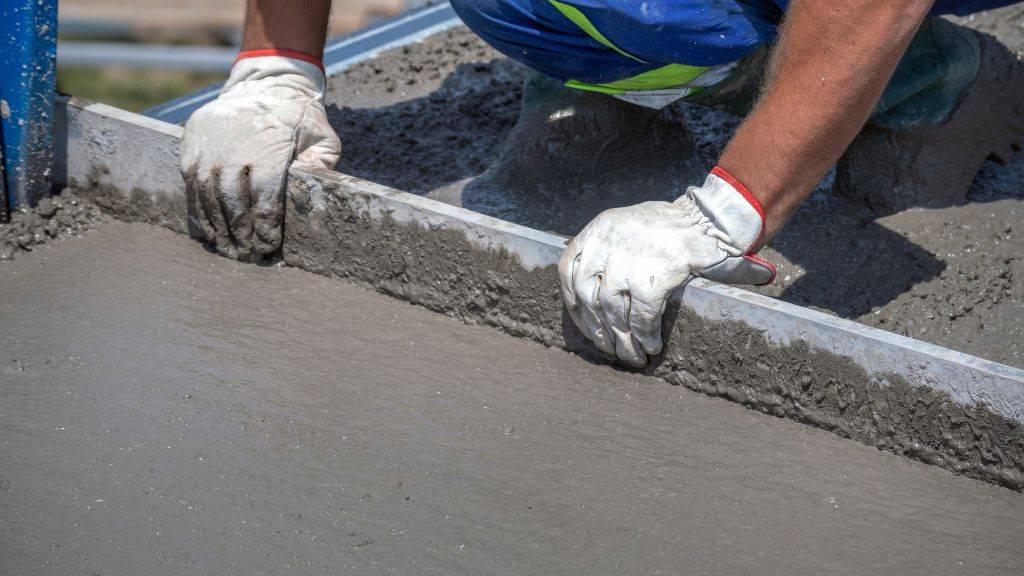
Once the ground starts to freeze, excavation and base work become difficult or impossible. Asphalt paving requires warm enough temperatures to compact properly. Concrete needs time to cure before the first hard freeze, or the surface can be damaged from within before it ever gets used.
That is why fall planning matters so much for this type of project. A property that starts the process in late summer, with design decisions made and a contractor scheduled, has a real shot at a finished court before winter. A property that waits until the leaves start turning is often choosing between a rushed project and a spring start.
Asphalt or Concrete: What Actually Goes Under a Court
Most people picture the surface color and the lines when they think about a sports court, but the base underneath is what determines how long the court lasts.
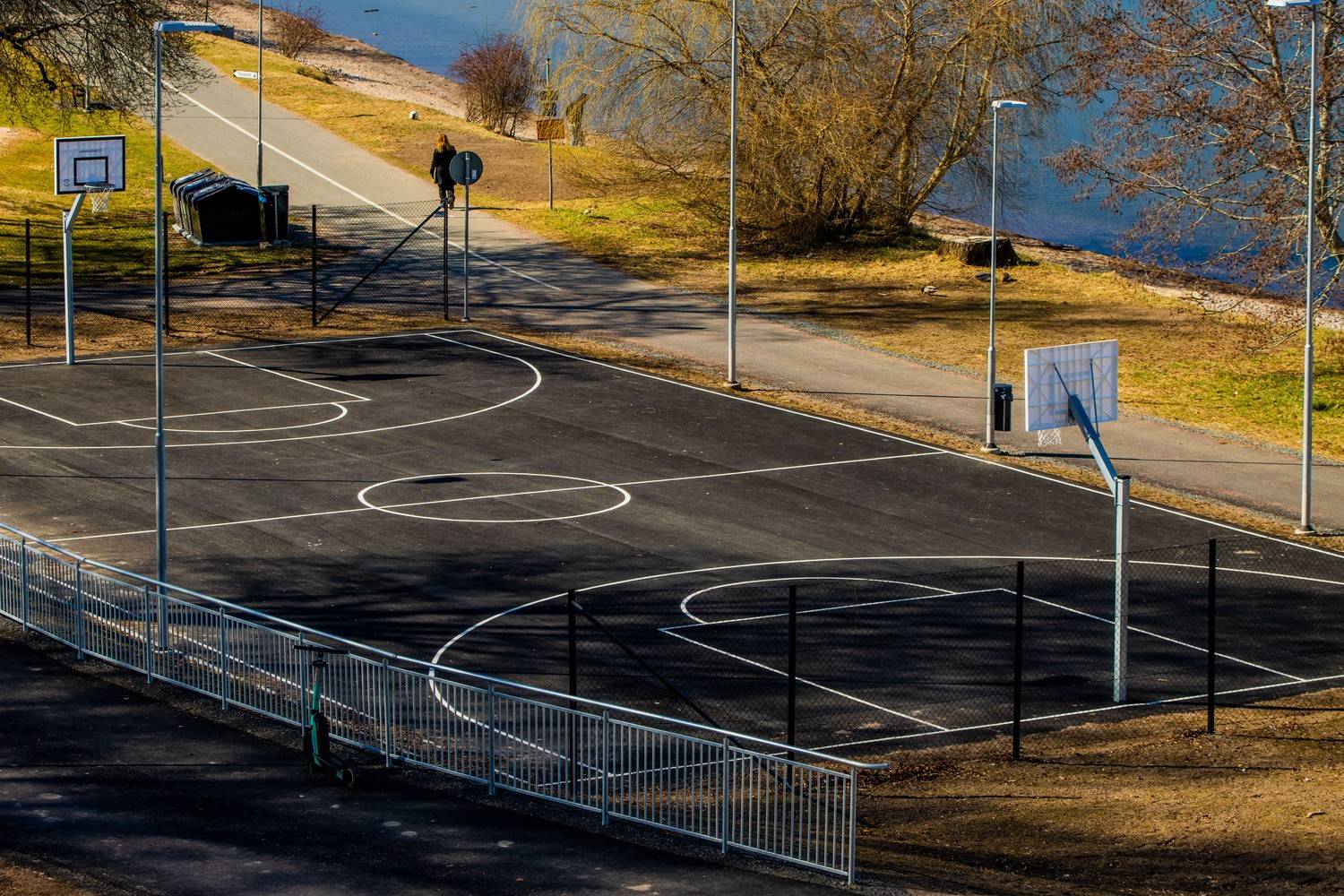
Basketball courts are commonly built on an asphalt base with an acrylic surface coating and painted lines. Tennis and pickleball courts can be built on either an asphalt or concrete base, and the choice affects cost, maintenance needs, and how the court responds to New England freeze-thaw cycles over time.
A properly built base needs to account for:
- Subgrade soil conditions and how well the existing ground drains
- Compaction depth appropriate for the sport and expected usage
- Grading that moves water away from the playing surface instead of letting it pool
- Expansion and control joints for concrete bases, so cracking is managed rather than random
- Transition points where the court meets fencing, walkways, or adjacent pavement
Skipping any of these steps to save time rarely saves money in the long run. A court built on a poorly prepared base tends to develop cracking, heaving, or drainage problems within the first few seasons, long before a properly built court would show the same wear.
The Pickleball Surge and Why So Many Communities Are Retrofitting Courts
Pickleball demand has changed how condominium associations, apartment communities, and hospitality properties think about their existing tennis courts.
Many properties are converting underused tennis courts into multi-use courts that can accommodate pickleball, or adding dedicated pickleball courts alongside existing amenities. On the surface, this can look like a simple line-painting project. In practice, it usually involves more than that.
Net height and post placement differ between the two sports. Pickleball court dimensions fit differently within the footprint of a standard tennis court, which affects fencing sightlines, surrounding buffer space, and where players stand relative to the court boundary. Surface texture preferences also differ slightly between the two sports, and a surface built primarily for tennis is not always ideal for pickleball without some adjustment.
Communities that treat a pickleball conversion as a simple repaint often end up needing a second round of work within a year or two once player feedback identifies the layout or surface issues. Communities that plan the conversion properly the first time avoid that repeat cost.

Multi-Use Courts: What Changes When One Surface Serves Three Sports
Some properties want a single court that can flex between basketball, tennis, and pickleball depending on demand. That flexibility is achievable, but it changes the planning process.
A multi-use court needs to account for:
- Line color and pattern choices that keep each sport’s boundaries legible without visual confusion
- Net and hoop systems that can be adjusted, removed, or repositioned without damaging the surface
- Surface texture that works reasonably well across sports with different footwear and play styles
- Enough buffer space around the court for whichever sport is using it at the time
- A layout that avoids forcing one sport’s boundary lines directly through another sport’s active play area
Multi-use courts are a practical solution for properties with limited outdoor space and a resident base interested in more than one sport, but the design work upfront matters more than it does for a single-sport court.
Drainage and Grading Problems That Ruin a Court Before It Is Finished
A sports court is only as good as the ground it sits on, and drainage problems are one of the most common reasons a relatively new court starts failing early.
If water is allowed to pool on or near the court surface, it can undermine the base over time, contribute to cracking, and create slippery or unsafe conditions for players. Poor grading around the perimeter can send runoff toward the court instead of away from it, especially on properties where the surrounding landscape has changed since the original grading was done.
A proper court project addresses drainage before the surface goes down, not after players start complaining about standing water near the baseline or free-throw line. This is often the step that gets rushed when a property is trying to beat the fall weather deadline, and it is also the step most likely to cause expensive problems later if it is skipped.
Resurfacing an Existing Court vs Building New
Not every property needs a brand new court. In many cases, an existing court with a sound base just needs resurfacing.
Resurfacing typically makes sense when the base is still structurally sound and the primary issues are surface cracking, faded lines, or a worn playing surface. Full reconstruction becomes the better option when the base has failed, when drainage problems have been affecting the court for years, or when a property wants to change the court’s use, such as converting a single-sport court into a multi-use layout.
A contractor should walk the court, check for base movement and drainage issues, and give a straightforward recommendation rather than defaulting to the more expensive option. Resurfacing a court with a failing base underneath is a common way properties end up paying for the same problem twice within a few years.
Fencing, Lighting, and Amenity Details That Affect Long-Term Use
The court surface gets most of the attention, but the surrounding details affect how much a property actually gets out of the investment.
- Fencing height and mesh size appropriate for the sport, so balls stay contained without blocking sightlines from nearby units or common areas
- Gate placement that makes sense for how residents or guests will actually access the court
- Lighting that extends usable hours into the evening, which matters for apartment communities and hospitality properties where residents use amenities after work hours
- Adjacent walkways and seating areas that hold up to the same New England weather as the court itself
- Storage or equipment areas for nets, paddles, or maintenance supplies
Skipping these details to keep a project within a tight fall schedule often means adding them later at a higher cost, once the surrounding hardscape has already been finished around them.
The Insider Mistake: Rushing Base Prep to Beat Winter
Here is a mistake that shows up more often than most property managers expect. A community wants a court finished before winter, so the contractor speeds through base compaction and grading to get the surface poured or paved before the first cold snap.
The court looks finished. Residents see a new amenity before the season ends. Then the following spring, cracks appear where the base was not compacted properly, or water starts pooling in a corner that was not graded correctly the first time.
The more effective approach is almost always the one that feels slower in the moment. If the fall schedule genuinely does not allow enough time for proper base work and curing, it is usually better to complete the excavation and base prep in fall and finish the surface work in spring, rather than rushing the entire project to hit an arbitrary finish date. A court that takes an extra season to complete correctly will outlast one that was rushed to open a few months earlier.
A Practical Example: An Apartment Community Adding a Pickleball Court
Consider an apartment community with an underused tennis court that residents have been asking to convert for pickleball.
The property manager wants the court ready before fall move-ins slow down and before winter arrives. A site evaluation finds that the existing base is in reasonable condition, but the perimeter fencing is too short for pickleball play and there is a low spot near one corner where water already collects after rain.
A practical plan for a project like this might include:
- Grading correction at the low corner before any surface work begins
- Fence height and gate adjustments to fit pickleball requirements
- Surface resurfacing rather than full reconstruction, since the base is sound
- New multi-use line markings that support both tennis and pickleball
- Lighting review to confirm evening play is well supported

Because the base did not need full reconstruction, the project can move faster while still addressing the drainage and fencing issues that would have caused problems later.
Signs Your Existing Court Needs Attention Before Investing in New Construction
Before committing to a new court, it is worth walking any existing court on the property to see what condition it is actually in.
- Cracking that follows a pattern rather than isolated hairline cracks, which can point to base movement
- Standing water in specific spots after rain, especially near corners or baselines
- Surface texture that has become slick or uneven in high-traffic areas
- Fencing or gates that are damaged, undersized, or no longer meet current sport requirements
- Faded or mismatched line markings from previous resurfacing or sport conversions
- Uneven transitions where the court meets surrounding pavement or walkways
If several of these are present, a full evaluation makes sense before deciding between resurfacing and rebuilding.
What to Look for in a Sports Court Contractor
Sports court construction sits at the intersection of paving, concrete work, and site work, which means the contractor handling it should be comfortable with all three rather than treating the court as an isolated specialty project.
Property managers should look for a contractor that can show:
- Experience with base preparation, grading, and drainage, not just surface finishing
- An understanding of the layout differences between basketball, tennis, and pickleball
- The ability to recommend resurfacing over full reconstruction when the base supports it, rather than defaulting to the larger project
- Coordination with fencing, lighting, and hardscape work so the finished amenity functions as a whole
- A realistic schedule that accounts for New England weather rather than promising a finish date that depends on an unusually mild fall
Asphalt Services has provided paving, concrete, and site work services for commercial and institutional properties across New England since 2003, working as a family-owned company based in Woburn, MA, with an additional regional office in Salem, NH. Sports court construction is one of the amenity projects the team takes on alongside its core paving and concrete work, which means grading, drainage, base construction, and surfacing can be handled by a single contractor instead of separate specialists for each part of the project.
Key Takeaway: Start the Court Conversation Before the Weather Decides for You
Sports court construction is one of the few property improvements where the calendar matters as much as the budget. A project that starts in late summer has a real chance of finishing properly before winter. A project that starts too late often ends up rushed, incomplete, or pushed into spring by weather that will not cooperate.
If your community or property is considering a new basketball, tennis, or pickleball court, or needs an honest look at whether an existing court should be resurfaced or rebuilt, the time to schedule that evaluation is now, while there is still enough season left to do the work correctly.
Asphalt Services offers site evaluations for condominium associations, apartment communities, hospitality properties, schools, and universities across New England considering a sports court project. Contact Asphalt Services today to find out whether your court project can still be completed before winter, and what the base underneath it actually needs.