June is one of the best times for commercial property owners and managers across New England to take a serious look at their parking lots.
By this point in the year, winter damage is easier to see. Spring rain has exposed drainage issues. Potholes, cracks, soft areas, faded markings, and worn surfaces are no longer hidden under snow or slush. At the same time, the extreme heat and heavy summer traffic of July and August have not fully set in yet.
That timing matters.
For property managers, facility managers, asset managers, building owners, general contractors, and developers, summer parking lot paving is not just about improving the look of a property. It is about keeping the site safe, accessible, organized, and ready for daily use.
Asphalt Services provides commercial parking lot paving, asphalt repairs, asphalt milling, sealcoating, crack filling, striping, concrete work, site work, drainage, and commercial snow removal for commercial and industrial properties across New England. When major asphalt work is planned early in the season, property teams have more room to schedule properly, address hidden site issues, and avoid last-minute repairs when pavement problems become harder to ignore.
Why June Is a Smart Time to Plan Parking Lot Paving in New England
New England weather puts pavement through a lot.
Winter brings snow, ice, plowing, salt, and freeze-thaw cycles. Spring adds rain, snowmelt, and pooling water. By June, commercial property teams can usually see which areas survived the season and which areas need attention.
June also gives property managers a practical planning window before peak summer heat. The weather is generally more favorable for asphalt paving than early spring, when surfaces may still be wet, cold, or unstable. It is also early enough to handle larger parking lot paving projects before July and August scheduling pressure builds.
For busy commercial sites, that planning window is valuable.
Retail centers, office parks, industrial facilities, apartment communities, warehouses, hospitality properties, schools, and managed properties all rely on safe paved surfaces. Waiting too long can make it harder to coordinate traffic control, tenant access, delivery routes, employee parking, and customer flow.
A properly timed parking lot paving project can help reduce disruption and create a better finished result.
What Peak Heat Can Do to Commercial Parking Lots
Hot summer weather does not automatically destroy asphalt. A well-built lot is designed to handle seasonal temperature changes. The issue is that heat can make existing problems worse, especially when pavement already has cracks, soft spots, poor drainage, or heavy traffic wear.
During peak summer heat, asphalt surfaces can become more flexible. On commercial and industrial sites, that matters because the pavement is often carrying more than passenger vehicles. Delivery trucks, service vehicles, dumpsters, trailers, equipment, and high-volume traffic can stress weak areas.
Common summer pavement problems include:
- Potholes expanding from older winter damage
- Cracks spreading across drive lanes and parking stalls
- Soft or rutted areas in high-traffic zones
- Surface wear near entrances, exits, and loading areas
- Water-related damage around catch basins or low spots
- Faded pavement markings that make traffic flow less clear
If these problems are already visible in June, they usually do not improve on their own. A parking lot repair may be enough for isolated damage, but widespread failure may call for asphalt milling, resurfacing, or full parking lot paving.
Parking Lot Paving Is About Function, Not Just Appearance
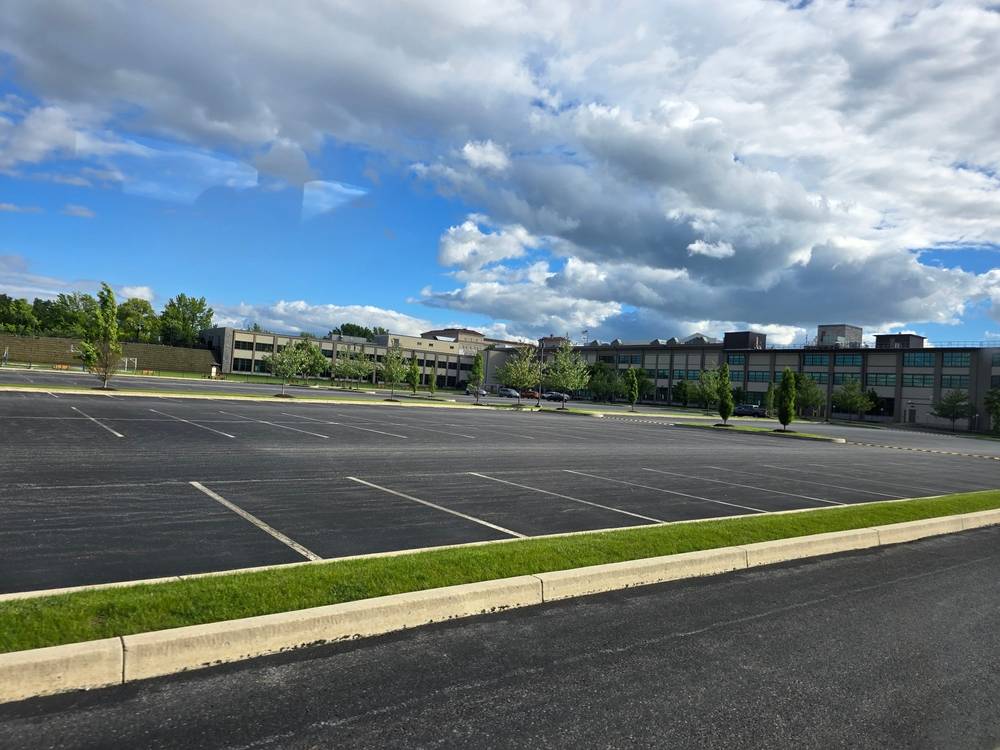
A freshly paved commercial parking lot creates a stronger first impression, but appearance is only part of the value.
For commercial properties, pavement is part of the operating system of the site. It affects how vehicles enter, park, load, unload, turn, and leave. It affects pedestrian movement. It affects drainage. It affects safety. It affects how tenants, customers, employees, vendors, and visitors experience the property.
A strong parking lot paving plan should look at:
- Traffic flow
- Parking layout
- Drainage patterns
- Pavement thickness needs
- Base condition
- Catch basin areas
- Curb and sidewalk transitions
- Loading zones
- ADA visibility and accessible routes
- Final striping and pavement markings
That is why commercial asphalt paving should begin with a site review, not just a surface-level quote.
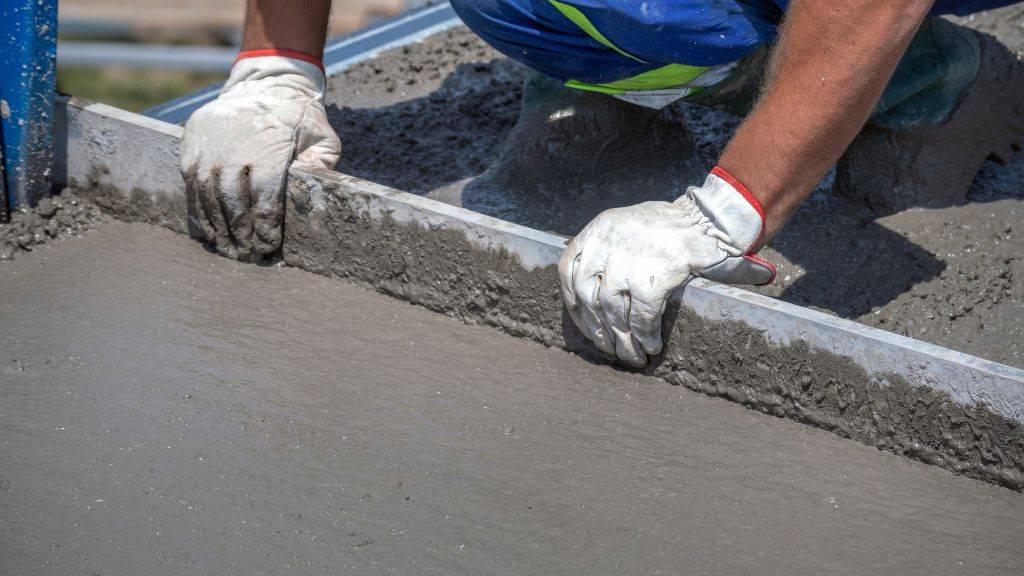
Asphalt Services works with property teams to look at the whole site. If the lot needs paving, that may also involve asphalt repairs, asphalt milling, site work and drainage, concrete work, or striping and pavement markings. When these pieces are planned together, the finished parking lot is more functional and better prepared for long-term use.
Signs Your Commercial Lot Needs Attention This Summer
Some parking lot issues are cosmetic. Others are warning signs that the pavement structure or site conditions need a closer look.
Commercial property teams should inspect their lots in June for:
Recurring potholes
If the same area keeps breaking down, patching alone may not solve the problem. There may be water, base failure, or traffic stress contributing to the damage.
Wide or spreading cracks
Cracks allow water into the pavement. In New England, that water can create major damage once freeze-thaw cycles return later in the year. Crack filling can help in some cases, but widespread cracking may point to a larger paving need.
Standing water
Pooling water is a major warning sign. It can weaken asphalt, create slip risks, and lead to repeat repairs. Drainage should be reviewed before major paving work begins.
Rough drive lanes
High-traffic lanes near entrances, exits, loading areas, and storefronts often wear faster than the rest of the lot. These areas may need asphalt repair, milling, or repaving.
Faded markings
Striping and pavement markings guide traffic and pedestrians. If markings are hard to see, the lot may feel disorganized and less safe, especially during busy hours.
Broken edges or failing transitions
Edges near curbs, sidewalks, catch basins, and concrete areas are common failure points. These details should be reviewed before paving begins.
Repair, Resurface, or Repave: What Does the Property Need?
Not every damaged lot needs full replacement. The right solution depends on the condition of the pavement, the base, drainage, traffic use, and long-term property goals.
Asphalt repairs
Asphalt repairs are useful when damage is limited to specific areas. Potholes, broken sections, failed patches, and localized surface damage can often be repaired before they spread.
Asphalt milling
Asphalt milling removes the worn top layer of pavement before new asphalt is installed. It can help improve surface transitions, correct grade issues, and prepare the lot for resurfacing.
Parking lot paving
Parking lot paving may be the right choice when the surface has widespread deterioration, repeated failures, poor function, or an aging pavement system that no longer supports the property.
Sealcoating and crack filling
Asphalt sealcoating and crack filling are maintenance services, not replacements for failed pavement. They are best used when the lot is still in serviceable condition and the goal is to protect the surface, improve appearance, and reduce water intrusion.
A good commercial paving company will help you understand the difference. The goal should be to recommend the right work, not the most work.
Why Property Managers Should Plan Before July and August
By July and August, many commercial properties are dealing with heavier seasonal traffic, hotter pavement surfaces, tenant schedules, customer demands, school preparation, retail planning, and vacation-related staffing gaps.
Planning in June gives property teams more control.
Early planning can help with:
- Better scheduling options
- Fewer access conflicts
- More time to notify tenants or site users
- Better coordination around deliveries and traffic routes
- Time to address drainage or concrete issues before paving
- Cleaner sequencing for paving, sealcoating, and striping
- Less pressure before fall maintenance and winter planning
For properties with large lots or multiple paved areas, this matters even more. A rushed paving project can create unnecessary disruption. A planned project gives everyone clearer expectations.
How Parking Lot Paving Supports Long-Term Property Value
Commercial pavement is an asset. When it is maintained properly, it supports the property’s value, usability, and public-facing image.
A well-planned paving project can help:
- Improve curb appeal
- Reduce vehicle and pedestrian hazards
- Support better drainage
- Improve tenant and customer access
- Reduce recurring repair costs
- Create a cleaner layout with fresh striping
- Prepare the property for future maintenance
- Support safer winter snow removal
This is especially important in New England. A lot that is paved properly in summer is better positioned for fall maintenance and winter conditions. Stronger surfaces, cleaner drainage, repaired cracks, and clear markings all help property teams manage the site more effectively throughout the year.
What Happens During a Commercial Parking Lot Paving Plan?
Every property is different, but a strong paving plan usually follows a clear process.
- Site review. The team reviews pavement condition, traffic flow, drainage, access points, concrete edges, catch basins, and surrounding site conditions.
- Service recommendation. The property may need parking lot paving, asphalt repairs, asphalt milling, drainage improvements, concrete work, or a combination of services.
- Scheduling and access planning. For active commercial properties, scheduling matters. Work should be planned around tenants, employees, customers, deliveries, loading areas, and emergency access.
- Surface preparation. This may include milling, grading, repairs, cleaning, or drainage-related preparation before new asphalt is installed.
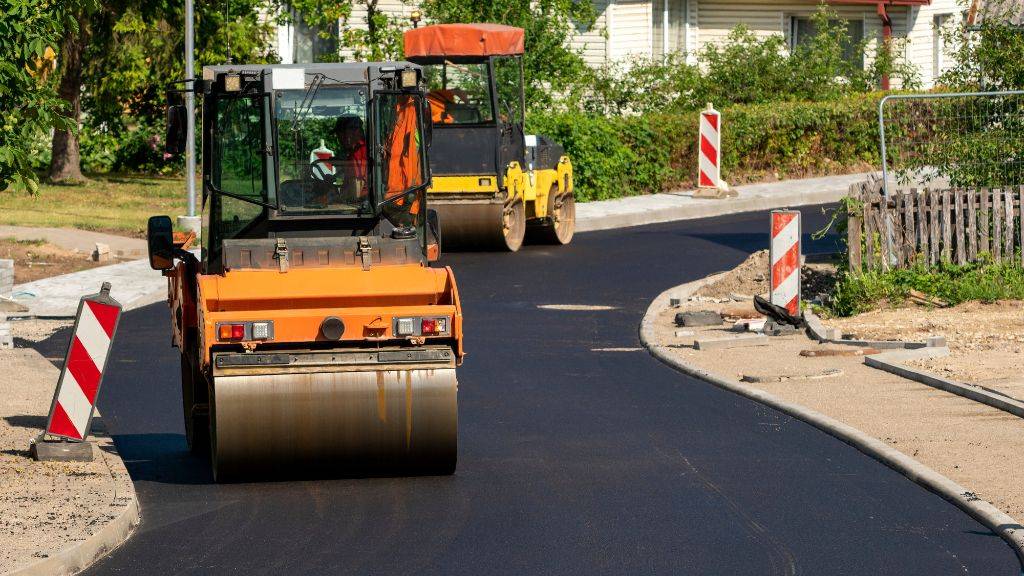
- Paving. New asphalt is placed and compacted based on the needs of the site and the expected traffic use.
- Finishing details. Once paving is complete, striping and pavement markings help organize traffic flow, parking stalls, ADA areas, crosswalks, and loading zones.
Trust Matters When Hiring a Commercial Asphalt Paving Team
Commercial paving is not just a construction task. It is a coordination effort.
Property managers need a team that communicates clearly, understands active sites, respects operating needs, and looks beyond the top layer of asphalt. Asphalt Services is a family-owned company based in Woburn, MA, established in 2003, serving commercial and industrial properties across New England.
The team works with property managers, facility managers, asset managers, business owners, general contractors, and developers. Services include parking lot paving, road and roadway paving, asphalt milling, industrial paving, asphalt repairs, asphalt sealcoating, crack filling, striping and pavement markings, site work and drainage, concrete work, sports courts, snow plowing and ice control, and commercial snow removal.
Client feedback has highlighted prompt estimates, responsive communication, professional crews, clean job sites, and strong finished results. Those trust signals matter because commercial property work affects more than the pavement. It affects how the property operates while the work is being done and how it performs after the crew leaves.
How to Prepare Your Property for a Summer Paving Project
Before scheduling major asphalt work, property teams should gather a few key details.
Ask these questions:
- Where are the worst pavement failures?
- Are potholes recurring in the same areas?
- Does water collect after rain?
- Are loading areas or entrances wearing faster than the rest of the lot?
- Are sidewalks, curbs, or concrete areas affecting the asphalt?
- Does the lot need new striping after paving?
- Are tenants, vendors, or customers using the lot every day?
- Are there events, deliveries, or busy periods to avoid?
This information helps the paving team build a more practical plan. It also helps property managers communicate with tenants, employees, and visitors before work begins.
Should Sealcoating Be Done Instead of Paving?
Sealcoating is valuable, but it has to be used at the right time.
If a parking lot is structurally sound and only showing surface wear, asphalt sealcoating can help protect the pavement and refresh its appearance. If the lot has open cracks, crack filling may be needed first. If the lot has potholes, failed sections, or drainage-related damage, asphalt repairs should happen before sealcoating.
If the lot has widespread deterioration, sealcoating will not solve the underlying problem. In that case, parking lot repair, milling, resurfacing, or repaving may be the better investment.
This is why a site inspection is important. The right service depends on the condition of the lot, not just the season.
Why June Planning Helps Before Fall and Winter
It may seem early to think about winter in June, but New England property managers know how quickly the seasons move.
A lot that is damaged in summer can become a bigger problem by winter. Cracks let water in. Water freezes. Pavement expands and breaks apart. Snow plows catch uneven areas. Drainage problems become ice hazards. Faded markings make traffic flow harder to manage.
Planning summer parking lot paving early can help prepare the property before fall maintenance and winter snow removal become urgent. It is a proactive approach that supports safety, access, and cost control.
Get Ahead of Peak Heat With Commercial Parking Lot Paving
June is the right time to inspect your pavement, address winter damage, and plan major asphalt work before peak summer heat adds more stress to the surface.
If your commercial or industrial property needs parking lot paving, parking lot repair, asphalt milling, asphalt repairs, sealcoating, crack filling, striping, concrete work, site work, drainage, or commercial snow removal planning, Asphalt Services can help.
Schedule a no-obligation site inspection and get practical recommendations based on your property’s condition, traffic flow, drainage, safety needs, and long-term goals.
Do not wait for potholes, cracks, heat stress, or drainage problems to disrupt your property. Contact Asphalt Services today to plan your summer parking lot paving project with a team that understands New England commercial properties.
Frequently Asked Questions About Summer Parking Lot Paving
Is June a good time for parking lot paving in New England?
Yes. June is often a strong time to plan commercial parking lot paving because winter damage is visible, spring moisture has exposed drainage issues, and peak summer heat has not fully arrived.
What are the signs a commercial parking lot needs repaving?
A commercial lot may need repaving if it has widespread cracking, recurring potholes, poor drainage, uneven surfaces, worn drive lanes, or repeated repair problems.
Can asphalt repairs be done instead of full parking lot paving?
Yes, if the damage is limited to specific areas. Asphalt repairs may be enough for potholes, failed sections, or localized damage. Widespread failure may require milling, resurfacing, or repaving.
Why does heat affect parking lots?
Heat can make existing pavement problems worse, especially in high-traffic areas. Heavy vehicles, soft spots, cracks, and weak base areas can become more noticeable during hotter weather.
Should sealcoating be done before or after paving?
Sealcoating is used to protect existing asphalt that is still in serviceable condition. It is not a substitute for paving failed pavement. New asphalt typically needs time before sealcoating is considered.
Why is drainage important before paving?
Poor drainage can cause standing water, weaken pavement, and lead to repeat failures. Drainage problems should be reviewed before major paving work begins.
Does striping come after parking lot paving?
Yes, striping and pavement markings are usually completed after paving once the surface is ready. Markings help organize parking stalls, traffic flow, pedestrian areas, fire lanes, and accessible spaces.
Who should schedule summer parking lot paving?
Property managers, facility managers, asset managers, building owners, general contractors, developers, and business owners should schedule summer paving when their commercial or industrial property has pavement damage, access issues, drainage concerns, or aging asphalt.